Tiger Skin Font: A Bold Choice for Creative Branding
There I was, staring at a blank brand board, trying to figure out how to make a new café concept feel wild yet welcoming. The client wanted something that felt like a safari adventure but still grounded in the everyday comfort of coffee and pastries. That’s when I reached for Tiger Skin Font.
A Unique Visual Identity
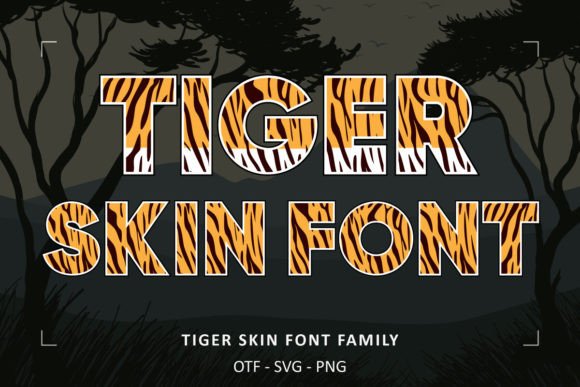
Tiger Skin is more than just a font—it’s a statement. Its design mimics the texture and pattern of tiger skin, giving it a bold, organic look that feels both rugged and refined. The font has a natural, uneven edge that adds character without being too chaotic. It’s not a clean sans serif or a classic serif; it’s a typeface with personality, perfect for brands that want to stand out.
The visual appeal of Tiger Skin lies in its contrast. The jagged lines and irregular spacing create a sense of movement, making it ideal for logos that need to feel dynamic. When I tested it on a logo draft, it immediately gave the design an adventurous vibe that matched the café’s theme.
Real-World Testing: From Logo to Packaging
I used Tiger Skin on a logo concept, a brand board, packaging mockups, business cards, and social media layouts. Each application showed off different strengths. On the logo, it added a sense of energy and uniqueness. On the packaging, it made product labels feel more tactile and eye-catching.
When I placed it on a business card, it stood out from the usual minimalist designs. The font’s texture made the card feel more memorable, which is exactly what the client wanted. In social media graphics, it worked well as a headline font, drawing attention without overwhelming the design.
However, there were moments where it didn’t quite fit. On a website header, it looked good but needed careful spacing to avoid looking cluttered. In long body text, it became hard to read, which is why I wouldn’t recommend it for anything beyond headlines or short phrases.
Best Used as a Display Font
Tiger Skin shines as a display font. It’s best suited for headlines, logos, and branding elements that need to grab attention. It works well as an accent font in a design system, especially when paired with simpler typefaces. For example, combining it with a clean sans serif like Helvetica or a modern serif like Georgia can create a balanced and professional look.
Font pairing is key here. If you’re using Tiger Skin for a logo, consider adding a complementary font for body text or secondary headings. This helps maintain readability while keeping the design cohesive.
Limitations and Considerations
While Tiger Skin is visually striking, it’s not a one-size-fits-all solution. Its complexity makes it less suitable for small sizes or long paragraphs. In formal corporate settings, it might come across as too informal or unprofessional. For a skincare brand aiming for elegance, Tiger Skin could be too bold and distracting.
It’s also important to check the font’s licensing before using it in client work. Make sure the license covers commercial use, especially if you’re designing for print-on-demand products, websites, or digital templates. Some fonts have restrictions that can limit your creative freedom.
Testing Before Finalizing
Before committing to Tiger Skin, I always recommend testing it in multiple contexts. Try it on different backgrounds, sizes, and formats. See how it looks on a shop sign, a product mockup, or a printed card. This will help you understand its strengths and limitations in real-world scenarios.
If you’re unsure about how it will look in your project, consider creating a few variations. Use it in different weights or styles if available. Experiment with color and spacing to see what works best for your design.
Conclusion: A Font That Speaks Volumes
Tiger Skin Font is a unique addition to any designer’s toolkit. It brings a sense of wildness and creativity that can elevate a brand’s identity. Whether you’re working on a boutique project, a café refresh, or a handmade shop, this font can add a fresh, unexpected element to your design.
Just remember to use it wisely. Pair it with other fonts, test it thoroughly, and keep readability in mind. With the right approach, Tiger Skin can become a powerful tool in your branding arsenal.