Bunny Day Font: Playful and Vibrant
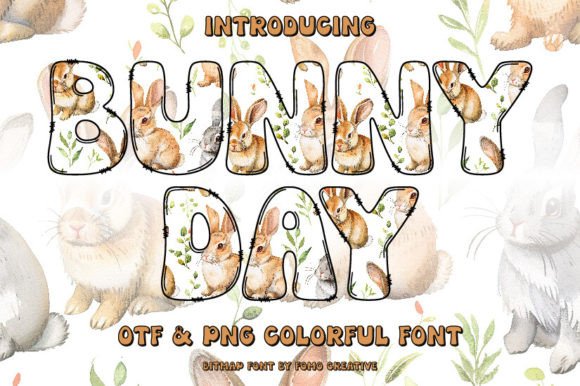
Bunny Day is a color font that brings a whimsical and energetic tone to editorial design. Its bold, playful strokes and lively hues make it ideal for adding visual interest to content that needs a touch of charm and personality. Whether used in headings, graphics, or branding elements, Bunny Day enhances the overall aesthetic while maintaining readability.
As a display font, Bunny Day excels in short-form text where its unique character can shine. It works well for titles, headlines, and accents that require a fresh, engaging look. The font’s design ensures it stands out without overwhelming the reader, making it a versatile choice for content creators looking to elevate their visual storytelling.
Using Bunny Day in Editorial Design
In editorial layouts, Bunny Day can serve as a strong focal point. For blog headers, it adds an inviting and approachable feel, drawing attention to key sections. In magazine covers, it provides a dynamic visual anchor that captures the essence of the publication’s theme. When used in ebook titles or newsletter graphics, it helps establish a cohesive brand identity that resonates with readers.
For quote graphics and section headings, Bunny Day introduces a sense of movement and energy. Its vibrant colors and playful style make it perfect for highlighting important messages or breaking up dense blocks of text. In chapter openers or printable guides, it adds a personal and creative touch that enhances the reader experience.
Bunny Day in Content Branding and Reader Engagement
Branding is essential for publishers and content creators, and Bunny Day offers a distinctive way to express a publication’s voice. Whether it’s a lifestyle blog, a recipe ebook, or a wedding guide, the font’s personality aligns with themes of fun, creativity, and positivity. It reinforces the brand’s tone while ensuring visual consistency across different formats.
Lead magnets, worksheets, and printable planners benefit from Bunny Day’s ability to convey a friendly and approachable vibe. In coaching workbooks or digital magazines, it supports a clear visual hierarchy, guiding the reader through content with ease. Its use in social media graphics and web design also helps maintain a unified look that strengthens audience recognition.
Practical Applications and Layout Considerations
When incorporating Bunny Day into layouts, consider its role in visual hierarchy. It’s best suited for titles, subtitles, and accent typography rather than long paragraphs. Pairing it with a readable serif or sans serif font ensures balance and clarity. For example, using Bunny Day for headings and a clean sans serif like Open Sans for body text creates a professional yet engaging layout.
Readability is crucial for both screen and print. While Bunny Day is visually striking, it should be used sparingly to avoid fatigue. On mobile devices, ensure the font size is large enough for easy reading. In PDF exports, test how the font renders across different platforms to maintain its intended appearance.
Font Pairing and Design Assets
Effective font pairing enhances the overall design. Combining Bunny Day with a complementary typeface allows for a layered and sophisticated look. A script or handwritten font might work well for decorative elements, while a modern sans serif can provide contrast and clarity. This approach supports both aesthetics and functionality in editorial projects.
When selecting design assets, check if Bunny Day includes alternate characters, ligatures, or multilingual support. These features add flexibility and ensure the font adapts to various content needs. For commercial use, verify the licensing terms to confirm it’s suitable for ebooks, templates, printables, and paid newsletters.
Enhancing Publication Identity
Bunny Day contributes to a publication’s unique identity by offering a distinct visual signature. It helps differentiate content in a crowded digital space, making it more memorable for readers. Whether used in logo design, packaging, or web elements, it reinforces the brand’s personality and values.
For independent content brands and course creators, Bunny Day provides a tool to express creativity while maintaining professionalism. Its use in newsletters, guides, and downloadable materials ensures a consistent and polished look that reflects the creator’s attention to detail.
By integrating Bunny Day into editorial workflows, designers and writers can craft content that is both visually appealing and functionally effective. Its playful yet refined nature makes it a valuable addition to any design toolkit, supporting the goal of engaging readers through thoughtful typography.